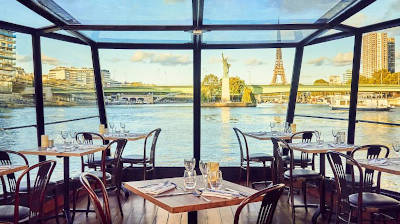
Croisière sur la Seine à Paris depuis 1959
Croisière sur la Seine à Paris depuis 1959
Croisière découverte : les secrets de Paris
Croisière découverte : les secrets de Paris
13.00€ / pers
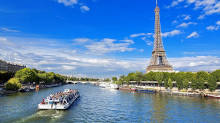
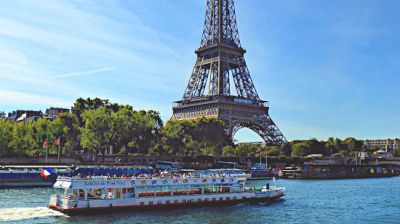
Accompagné d'un guide animateur, vous remonterez le temps sur le plus bel axe historique de Paris : la Seine. Découvrez tous ses secrets au travers de nombreuses anecdotes : naviguez tranquillement à bord d'une de nos vedettes panoramiques.
En savoir plusCroisière "Happy Hour" sur la Seine
Croisière "Happy Hour" sur la Seine
23.00€ / pers au lieu de 25.00€
Notre bateau et son bar vous accueillent au cours de cette croisière d'1h00 unique à Paris; l'ambiance musicale douce à bord vous plongera dans l'atmosphère féérique et véritablement magique de Paris en fin de journée; la première boisson (champagne, vin, bière ou soft) est comprise.
En savoir plusCroisière atypique sur le Canal Saint Martin et la Seine
Croisière atypique sur le Canal Saint Martin et la Seine
25.00€ / pers
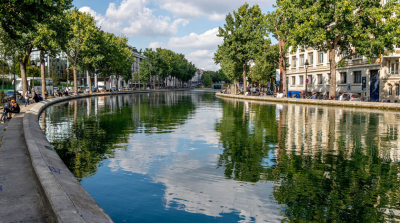
Découvrez Paris autrement ! Laissez-vous surprendre par cette croisière unique et atypique qui allie les charmes du canal Saint-Martin, cœur du Paris des parisiens, et la Seine du Paris historique.
En savoir plusCroisière La Parisienne Champagne & Macarons
Croisière La Parisienne Champagne & Macarons
35.00€ / pers
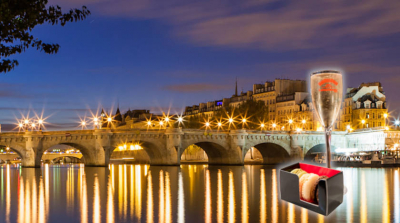
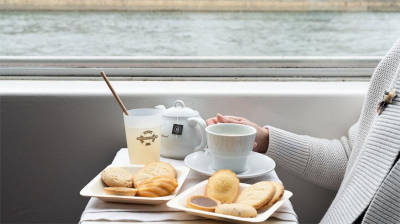
Sur notre bateau à taille humaine, un espace couvert et une terrasse panoramique, 1h30 de navigation pour profiter tranquillement de la beauté de Paris... Le tout accompagné d'une coupe de champagne et d'un trio de macarons pour une promenade exclusive et détendue. Option planche de charcuterie sur certaines dates (+13€)
En savoir plusDéjeuner croisière sur la Seine à Paris "Découverte"
Déjeuner croisière sur la Seine à Paris "Découverte"
66.00€ / pers
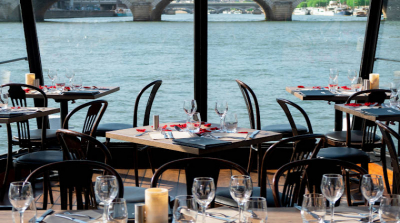
Profitez d'un déjeuner-croisière à un prix exclusif avec France Tourisme. Admirez les monuments emblématiques de Paris tout en savourant une cuisine faite maison, élaborée par notre chef !
En savoir plus20.00€ / pers au lieu de 22.00€
Partagez en famille un moment original, féérique et ludique ! Au départ du plus vieux pont de Paris, le Pont Neuf, cette croisière d'une heure en Seine est animée et spécialement pensée pour les enfants, un goûter pour petits et grands est également inclus.
En savoir plusDiner croisière Bistronomique, départ pont Alexandre III
Diner croisière Bistronomique, départ pont Alexandre III
à partir de 59.00€ / pers
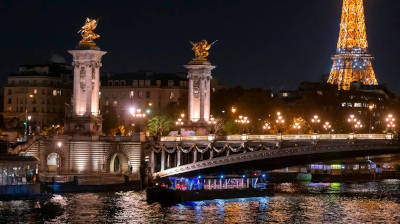
Une croisière inoubliable de 2h, pour découvrir toutes les merveilles de Paris dans une ambiance feutrée et musicale sur la Seine. Un diner raffiné et de saison pour un prix exceptionnel !
En savoir plusCroisière Champagne Relax sur notre tout nouveau bateau 100% électrique
Croisière Champagne Relax sur notre tout nouveau bateau 100% électrique
30.00€ / pers au lieu de 35.00€
Une croisière conviviale de 1h30 sur la Seine avec boisson offerte ! Installez-vous confortablement à bord de notre nouveau bateau électrique pour découvrir Paris et ses monuments.
En savoir plusDîner croisière, "Paris romantique"
Dîner croisière, "Paris romantique"
85.00€ / pers
Au pied du Musée d’Orsay, vivez une expérience gastronomique unique avec une cuisine faite maison, raffinée et élaborée par notre chef.
En savoir plusCroisière spéciale fête des mères
Croisière spéciale fête des mères
Disponible à partir du 05/2024
Les Vedettes du Pont Neuf fêtent les mamans le dimanche 26 mai ! Embarquez en famille pour une croisière de 1h à travers Paris et repartez avec un cadeau souvenir inoubliable !
En savoir plus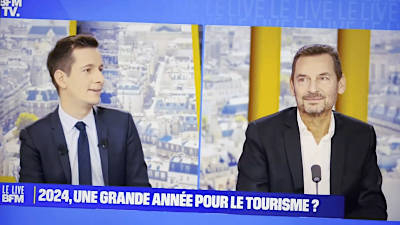
2024, une grande année pour le Tourisme.
Le Président de France Tourisme, Guislain de Richecour, a été invité sur le plateau de BFM. Il a exposé sa perspective sur le tourisme pour l'année 2024. Cela sera une excellente année pour relever des défis.
Nous vous souhaitons une bonne année.
Mise en ligne le 03/01/2024
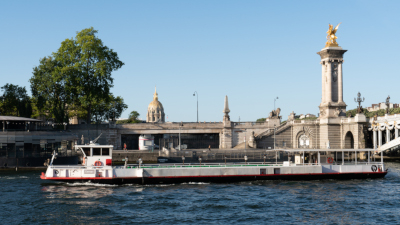
17 juillet, un bateau de Vedettes du Pont Neuf : Europa a participé à une répétition de la parade d’ouverture des JO 2024 sur la Seine.
3 bateaux de Vedettes du Pont Neuf font partie des 120 bateaux défilant pour la cérémonie d'ouverture des JO 2024. Le 17 juillet, nous avons participé à une répétition de la parade d'ouverture des Jeux Olympiques de 2024 sur la Seine. L'événement a suscité l'attention de nombreux spectateurs qui se sont massés le long des rives. La parade de test, orchestrée avec précision, a été une occasion unique de se rendre compte de l'ampleur de l'évènement et de l'enthousiasme des Parisiens autour des Jeux.
Mise en ligne le 18/07/2023
Découvrez également la






.jpg)